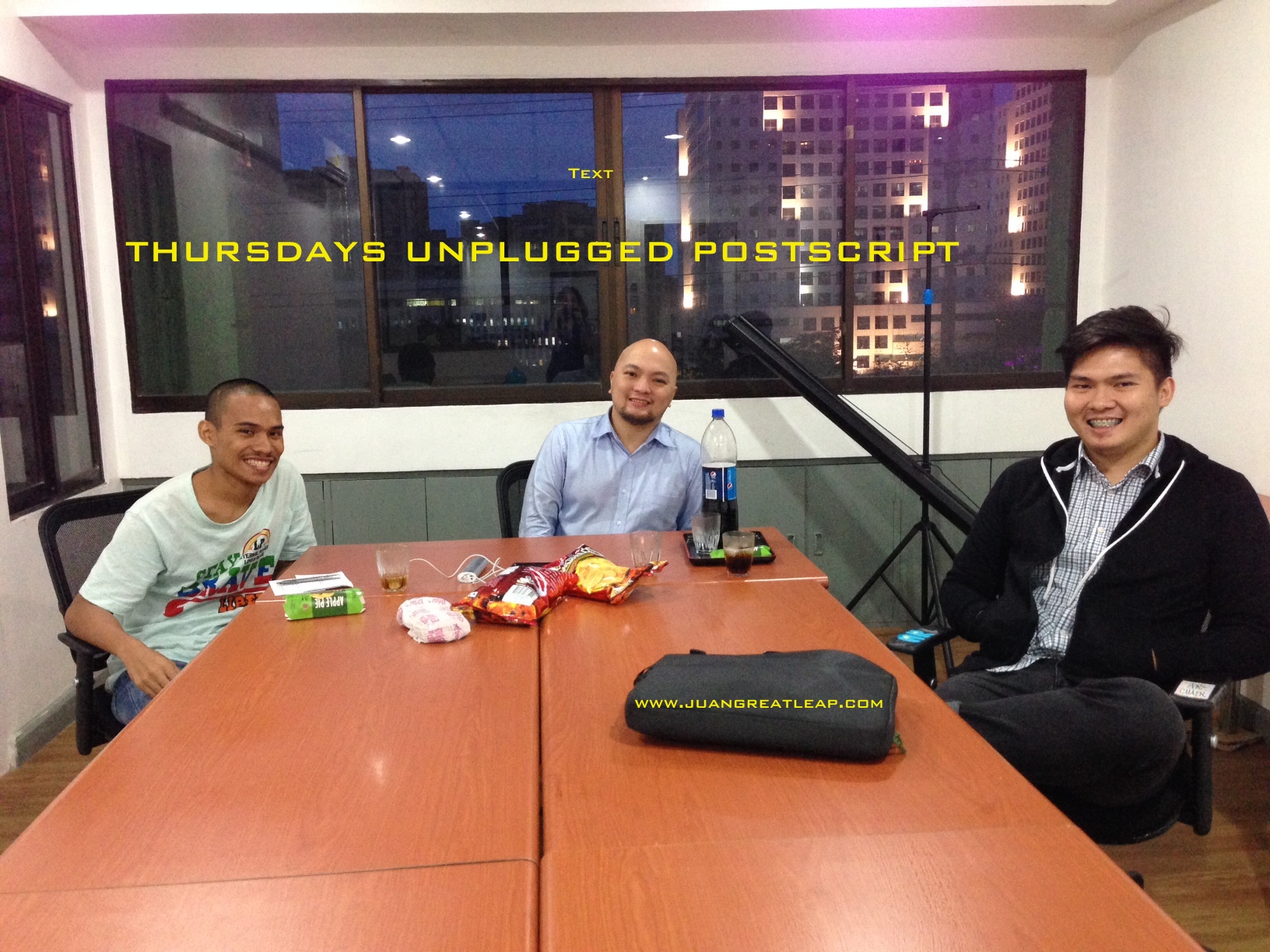
I started this Thursdays Unplugged session by accidentally dropping the closed bottle, and then proceeding to absent-mindedly open it.
The result was an explosion of cola and pride, mostly on my shirt (which, incredibly, looks the same in the picture).
It was all uphill from there though!
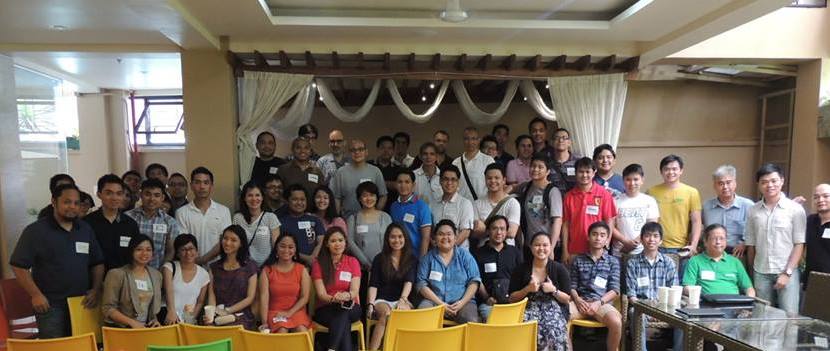
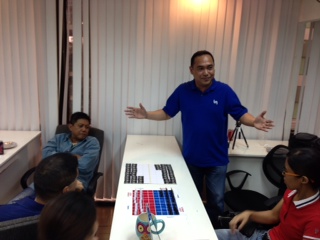
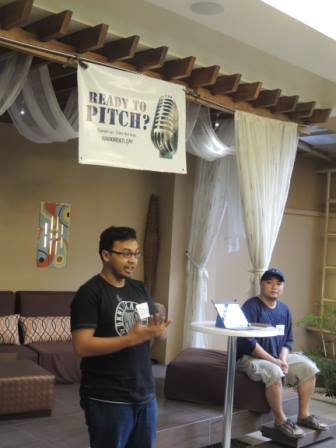
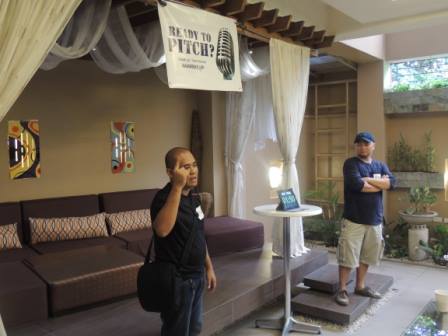
With the third participant calling that he couldn’t make it the last minute, this became a 3-person session. Of course, I loved the result, as Jode, Gerome, and I not only got into the technicalities of the their startup ideas, but more importantly, we got to talk about their journey, and the softer parts of the startup life.
The thing I love about these sessions is that they’re discussions. Even if Gerome and Jode had very different concepts (one design, and one more IT-logistics) and were in very different stages of the startup journey, the exchange proved to be quite open, honest, and everyone was more than helpful to one another.
Can’t wait for the 14th. Seeya Mike, JC, and Michelle!
Slots still open for the 21st (1 more slot) and the 28th (2 slots free), so if you wan’t to secure a seat, do email me.
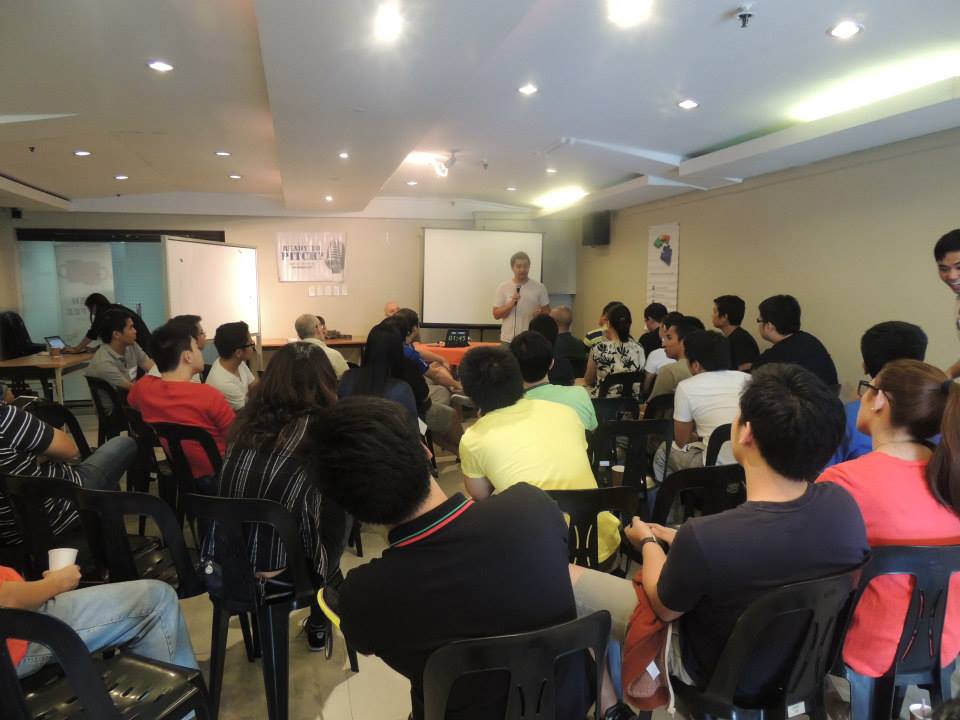
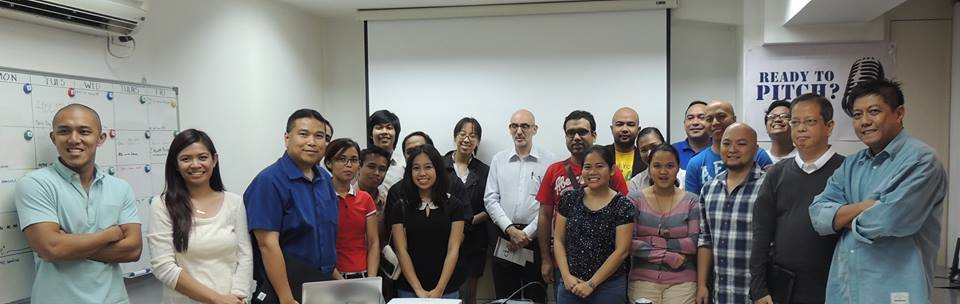
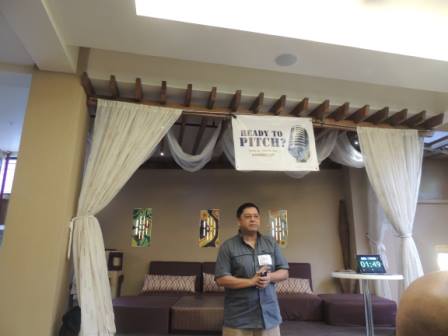
Last week, we held our very first Thursdays Unplugged in the STORM office in Ortigas.
I was with John, Gelo, and Ethel. We were supposed to be 5 people but the last participant couldn’t make it at the last minute. In retrospect, it was better suited for 4 people – more on this later.
So what happened?
I had no idea what was going to happen, so it was a bit awkward to start – it seemed too intimate at first. Then I laid the rules – 15 minutes per person, with an ideal 5-minute pitch, and then everyone can supply ideas and advice.
And just like that, we started.
It was pretty cool. Everyone had a very different idea, with each at different stages of the startup process. One was entirely in the idea stage, one had its initial meeting with a potential client scheduled in a few days, and one idea was already contracting employees. I cannot disclose the ideas thrown in the meeting – but it was a fun discussion.
Again, Fate intervened a bit because one person’s other business was in the same value chain as one of the ideas presented – so there was a lot of very concrete advice rendered.
Of course, the discussions went far beyond 15 minutes per person. I guess this was natural, because the startup ideas represented true passions of these individuals. Also, everyone else was eager to help out and suggest stuff, which was pretty nice. I was reminded a bit of the spirit of JGL’s Open Coffee.
What could be improved?
Some adjustments have to made for this week’s version though:
1) 5 people in the room would have pushed the meeting to 8pm. Last Thursday, we ended at around 7:00 pm already, and I barely made it to dinner. With some rules, I think this could be managed though. This Thursday, we’ll limit the participants to 3.
2) There needs to be some pre-work done so the conversation during the actual session can go deeper. Just 3 questions:
a) What is your idea or problem? Explain in 2-3 short paragraphs.
b) What help or advice would you need?
c) Is there a website or deck we can view? Kindly attach/link.
3) We need to make sure we do not have coffee and chips. They do not mix.
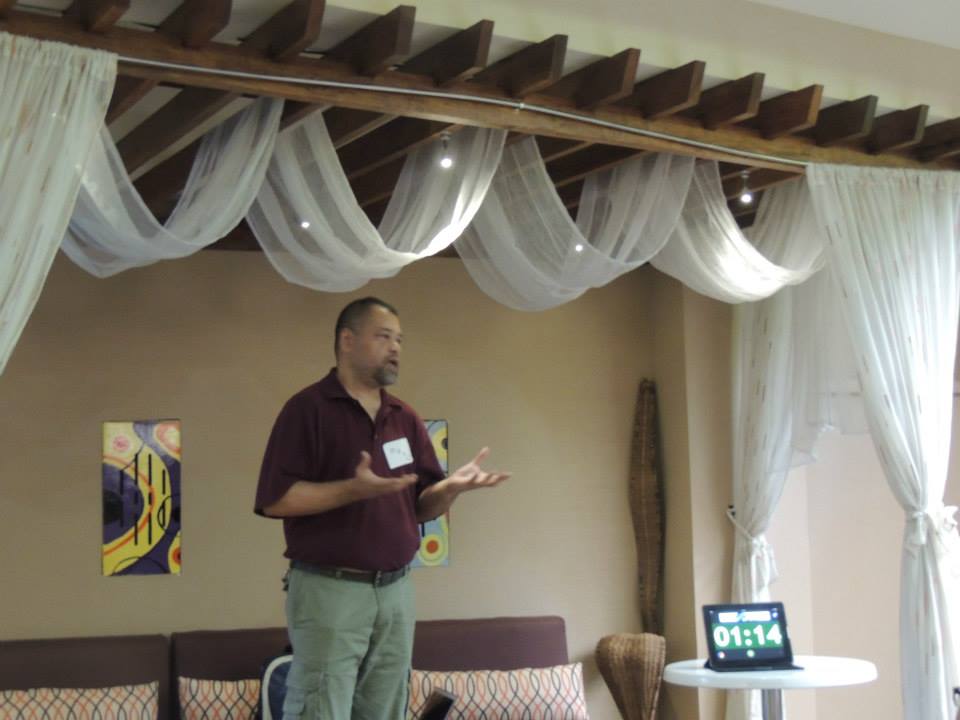
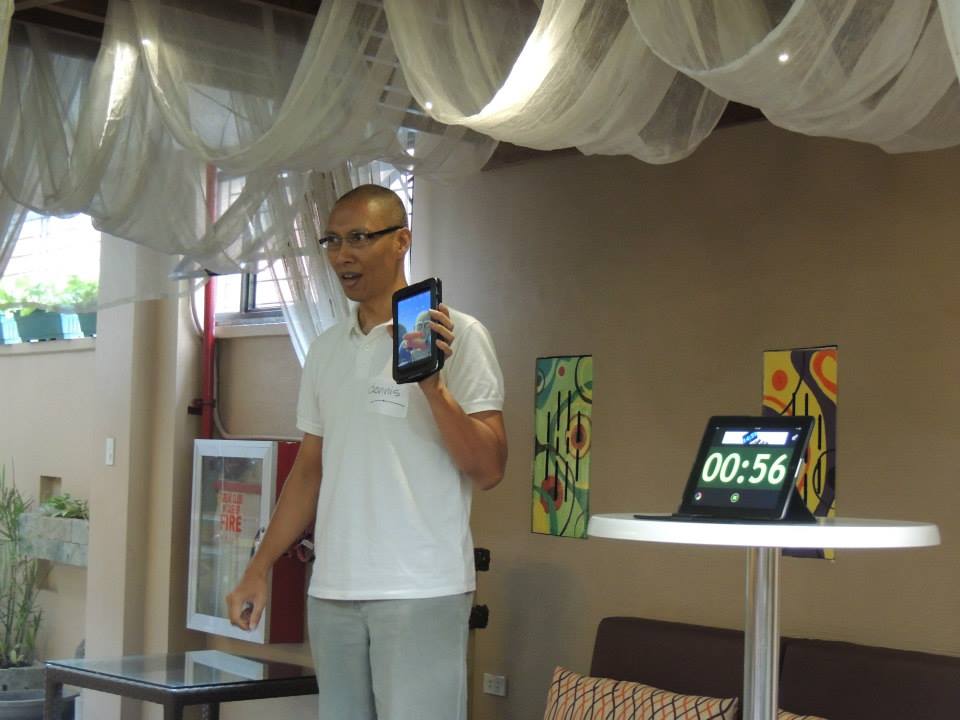
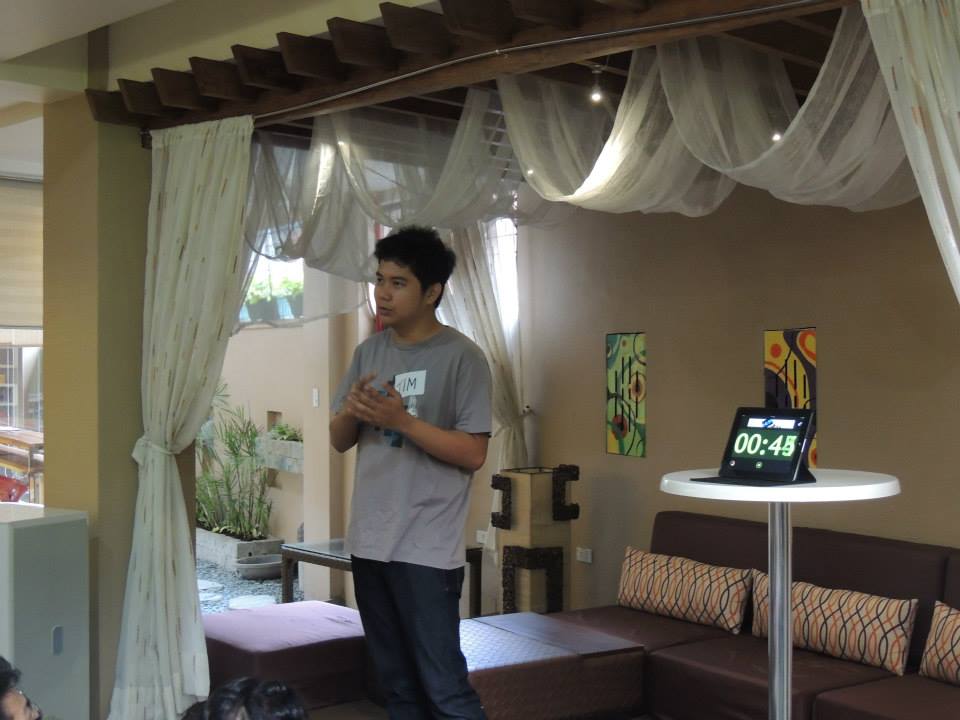
4) There needs to be a timer on the table for guidance.
5) There needs to be an FB group page for follow-ups/updating/further sharing.
Who’s got next?
JC, Jode, and Jerome (ohmigosh!), see you this Thursday! It’s going to be fun!
I can’t make it on August 7, but we’ll have the next one on August 14. All 3 slots still open. Do email me to reserve!
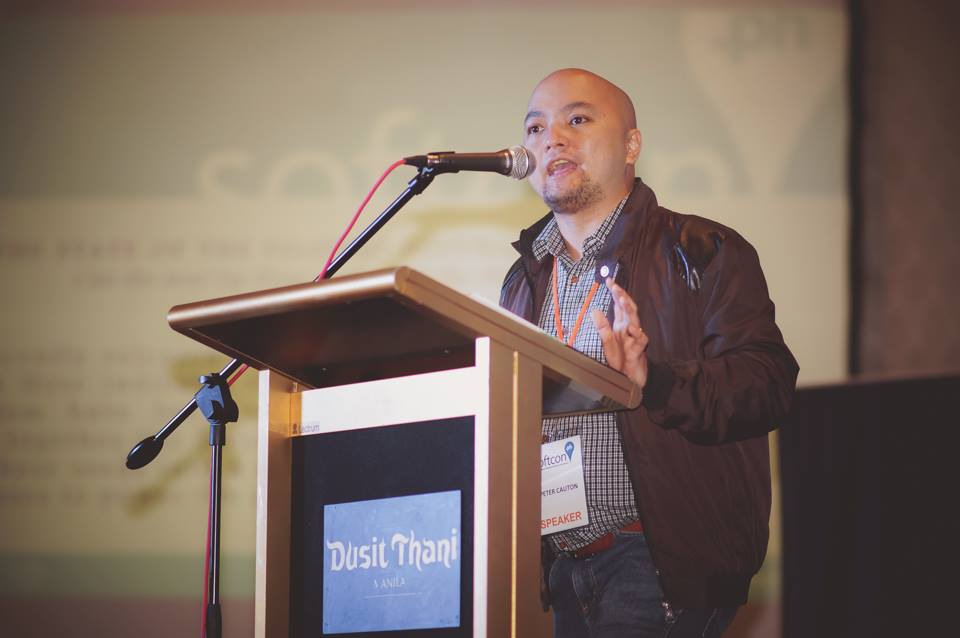
One of the things I had promised myself was that I would always say “yes” to entrepreneur speaking engagements whenever I would have the honor of being invited and if my time permitted.
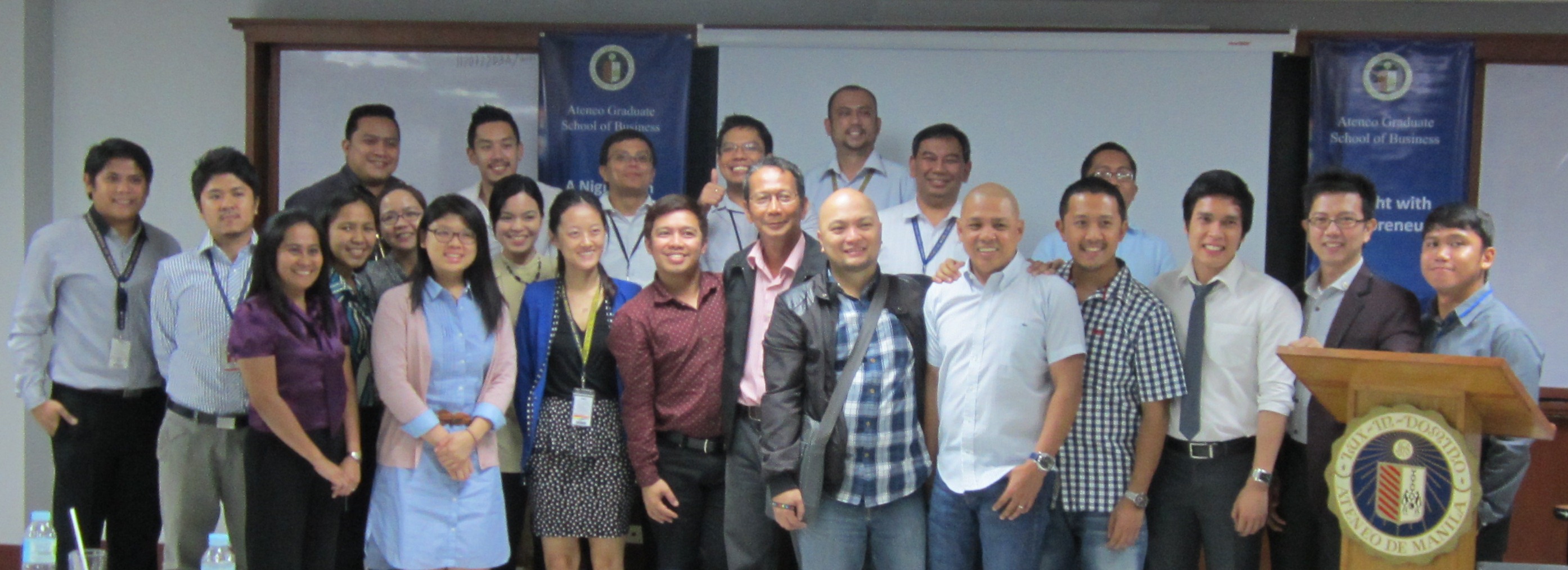
A few weeks ago I was asked by Ateneo MBA students to be one of the speakers for their culminating event, “Night with Entrepreneurs.”
I hesitated in saying yes because the weeks preceding January 1 are always the busiest for STORM – it’s when our current clients renew and when new clients are added.
Not wanting to begin compromising what I promised, and realizing I could make up the work I’d be missing, I said yes.
I’m glad I did.
Why?
Well, first off, I got to hear and learn a lot from my co-speakers.
Being around mostly tech-related startups, it was a joy hearing entrepreneurs in other fields (for a change):
Dencio Catienza is a dive-instructor-turned entrepreneur, founder of Planet Dive. It was a thrill hearing about his journey from being a skills teacher into what is essentially a real estate developer and investor. It was great to see how he thought globally, and how he knew his numbers – how big the tourism market is, what exact piece of the pie each country had, and how we had so much to improve on.
Caroline Cua went next. She founded a company called Tamang Timpla Foods, Inc, concept which was developed straight from the Ateneo SOMBA incubator program. From Somba, her team proceeded to join and win different business plan competitions. It was interesting to hear the story of how she had basically taken the startup leap from college and continues to develop her startup years after graduation, without ever having been an employee. Look, people! It IS possible to make the leap from college! Go get em Carol!
Chris killing it with his talk
Chris Angeles, founder of kulayful.com, started out by explaining the concepts of his favorite book, The 4-hour Workweek. I think Chris is the best possible example I can think of someone who actually approximates the lifestyle Tim Ferris suggests. Chris employs a Manila-based, fifteen-man startup which sells (nothing but) wristbands (surprisingly, Chris told me their mostly a B2B firm) in the US. They’re killing it. The interesting thing is that Chris developed his startup largely to be free of his operational involvement. He just works 2-3 hours a week. What does he do with most of his time?
Travelling. (and he’s got all the pics to prove it)
Each entrepreneur got a few minutes each to talk about his/her journey, and some of the best lessons they’ve learned. I thoroughly enjoyed listening to both the emotional side of things (the journey, the war stories), as well as the intellectual side of things (the business model, the competitive advantages).
Then, it was Q&A time.
Me? I loved the whole thing. Loved it. I think it reminded me of something I’ve known about myself for a while – I’m really a teacher at heart.
Thank you again for the Ateneo Entrepreneurship MBA class (EJ in particular – you were very helpful!), and their esteemed professor Jorge Saguinsin, for inviting me over. Till next time!
Me receiving a plaque from Prof Jorge Saguinsin
(want to meet more entrepreneur-minded folk? Get a slot at JGL’s Open Coffee session this Saturday before they run out!)
Recently, I took a picture of the weekly FLEXIBLE BENEFIT products we received in our office and now had to deliver to our clients:
There were hundredsof items ordered in a span of a few days.
It was the very first time I’ve seen this many orders made in our system. We had to find a room to keep all the items secure.
The problems we’re facing in STORM now are very different from what we’ve faced over the last few years. Before, we would just be consumed mostly by sales and developing the technology further.
(and you know, startup stuff like “where the hell do we get the money for next month’s payroll?!”)
Now, while the above-mentioned things are still supremely important, we find ourselves worrying about corporatey stuff, like inventory, supply chain, financial ratios, and high-grade efficiency.
By the end of this year, we would have something like 12,000 corporate users. We’re aiming for much larger things in 2014.
I then reminisce about how STORM started some years ago, and I find myself feeling quite blessed to have ended up choosing a TECH idea.
Soft Spot
Yep, Juan Great Leap is all about GENERAL entrepreneurship. It’s all about taking the leap and the process of being captain of your own ship – regardless of the type of ship.
As a tech entrepreneur though, I guess I’ll always have a soft spot for tech startups.
It is after all, what I think is the great equalizer.
In almost any industry, you would need to spend a fortune to build an industry leader. Want to get into retail? You need to invest millions in machinery, R&D, and the right supply chain infrastructure. Want to do a resto? Yep, it would require a ton of capital as well. Want to build a benefits firm? Without tech, you’d be looking at creating a new HMO, or a new insurance firm. Again, millions.
Technology changes everything though. It disrupts.
Technology has allowed a nobody like me to START FROM SCRATCH, and build what is now the largest local flexible benefits provider.
You got a laptop? Internet access? Some programming skills (you or a partner)? Then guess what? Armed with the RIGHT business model, you too can create a scaleable startup right out of your living room. Like we did.
Startups. Some time ago, these guys were also building their businesses in someone’s living room.
Yep, the PSIA member lists reads like a who’s who of Philippine tech entrepreneurs.
You can tell.
Because this group is breeding even MORE startups.
In the room adjacent to the main conference room, they had an exhibit of 20 or so startups that PSIA was helping develop in some way, shape, or form.
Main Startup Exhibit AreaPerxclub!Sked.ly
I found this to be a joy, an inspiration, and really logical, all at the same time.
A joy – because I just LOVE seeing people go for it.
An inspiration – because I found some of the ideas (and more importantly, the execution) to be brilliant.
Logical – because the one thing that you can’t stop true entrepreneurs from doing is to be themselves. Some of our most successful entrepreneurs are STILL going after new ideas.
Panel
Moderator Action Shot!
Moderating the startup panel was a great privilege for me, because it was a who’s who of some of the biggest names in the Philippine startup ecosystem.
It was also quite literally the biggest panel I’ve ever seen. So it was a challenge for my moderator-powers.
The panel discussed the state of the Filipino Software Startup.
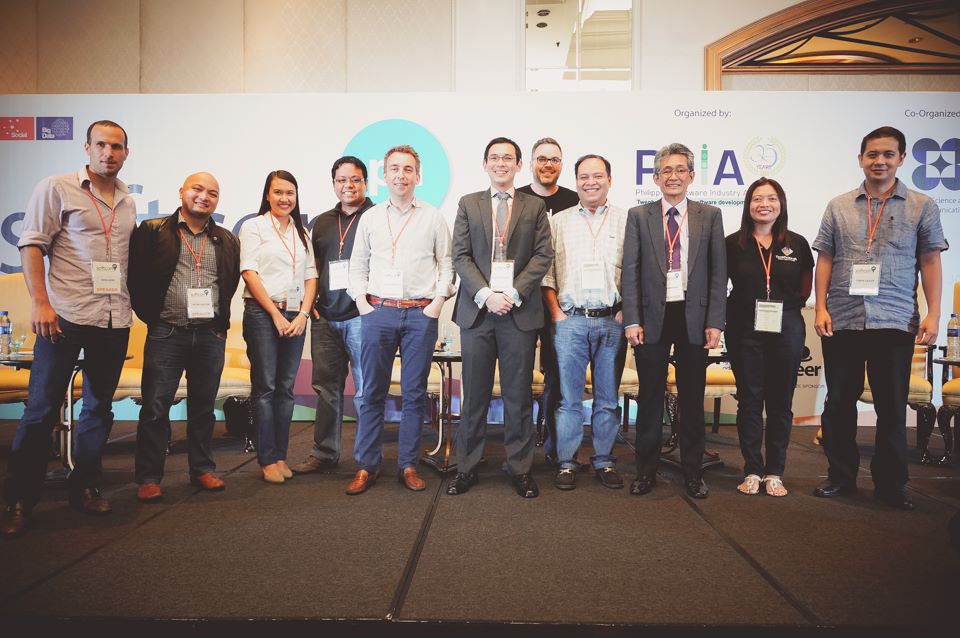
Startup Panel from Softcon.ph (the tall man panel) (from L-R) So that’s towering Ron Hose (author of the Phil. Startup Report), me, Rio Ilao (founder of Perxclub), Sulit founder RJ David, Kickstart’s Christian Besler, Ideaspace (and Meralco CIO) Marthyn Cuan, Payroll Hero’s Stephen Jagger, Plug and Play’s (based in Silicon Valley) Jojo Flores, Mon Ibrahim (DOST-ICTO Deputy Executive Director), TechTalk’s Tina Amper, and PSIA’s Spring.ph Co-founder (and Seer CEO) Joben Ilagan
We talked about a lot of interesting stuff, but the main takeaway I want to share with you?
It’s early. The Philippine startup ecosystem is in its veritable INFANCY.
TRANSLATION: Take the leap NOW people!
Opportunity Everywhere
Last week, I pitched an idea I had to a well-known Filipino entrepreneur (free, courtesy of a cross-country Skype session – technology is amazing if you think about it!) to get some input.
He gave a lot of very useful advice.
Then, I finally asked him to summarize: wait, do you think it would work?
His answer: “I think it’s a good idea. Though now there are good ideas everywhere if you just apply technology to an old concept. The key really is how your execution will be.”
TRANSLATION: Take the leap NOW people! Sniff out those good ideas, because he’s right – they are EVERYWHERE if you know where to look and train your eye
My quick advice: think long and hard about doing a TECH startup. If you have a non-tech idea, think – how can I I apply technology to it?
I have to admit, I was worried about the 2-month absence of Open Coffee.
Would we lose momentum?
Would people still go?
Will the pitches be just as good?
It turns out, my fears were unfounded.
I thought October Open Coffee was super!
For starters, after the 2 months, it was great to see the holdovers / familiar faces (around 20 or so, you know who you are) who keep on coming back. You practically feel like family.
Next, I thought, we just had the MOST DIVERSE SET OF PITCHES we’ve ever had. And if you’ve been to Open Coffee before and heard the pitches, you’d know this is saying a lot.
Let’s see….
We had an OFW-children’s support group, a fashion data aggregator, kite-camera artwork (my pick for pitch of the night!), a pitch for Trade School Manila, a government headhunting firm, an observation-based research firm, an inventor pitching wearable air filters, an artwork preservation concept, and many, many more.
The ideas – and the awesome, awesome group feedback that was generated to help them out – are SO much better than how the words above describe them.
You HAVE to have been there. The energy was uncontainable.
Then of course, in something that we should have done from the very first open coffee, around 20 or so of us had awesome lunch after at J-Jay’s Inasal. It was a blast, and we stayed chatting until mid-afternoon.
Lunch was F-U-N!
More pics below! You have to join us next time!
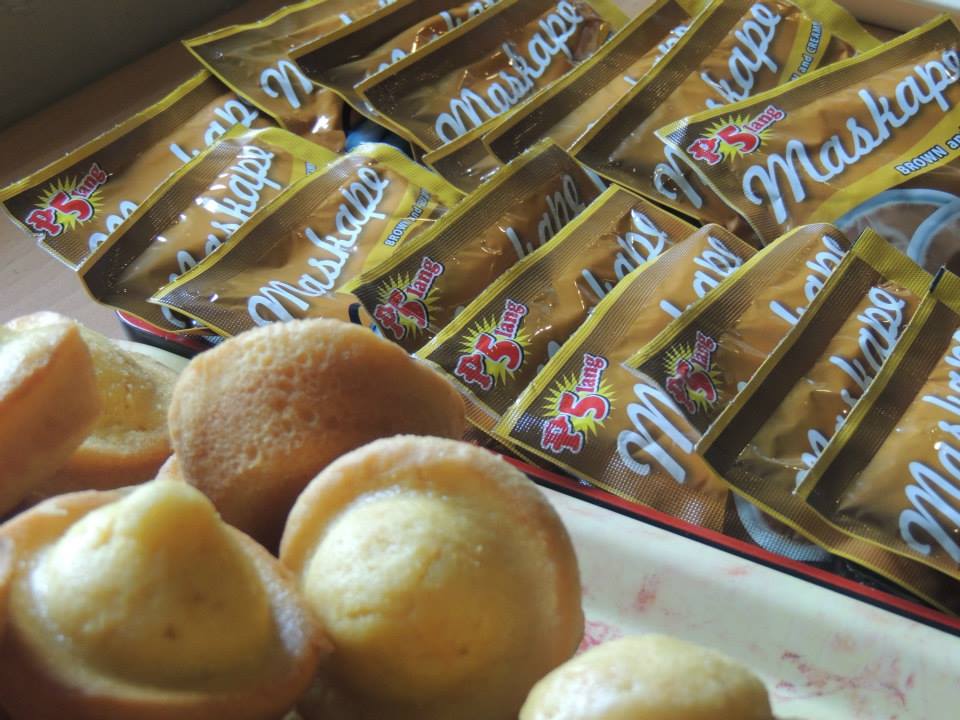
I should have been in this picture!jovitt trinidad holding courtOur coffee sponsor: audacious pinoy retail startup MASKAPE! (pretty good coffee) Thanks NATHANIEL GO and MASKAPE for the LOADS of coffee we got!Fun after the formal pitches!Group pic! SMILE!
There was a moment during the actual pitching proper last Saturday’s Open Coffee event that I looked at Matt and AR of JGL and said, “I love this…I love it!”
It was one of the many times when someone in the audience had the the RIGHT contact or the RIGHT information and then just generously offers it to the pitcher who needs it.
This encapsulates the whole point of Juan Great Leap: collaboration and learning. The JGL Open Coffee format pushes this to another level: there is no “sage on the stage” or a central source of information. It’s just entrepreneurs and entrepreneur-minded people helping one another out.
As usual, last Saturday was very, very different from every other Open Coffee event we’ve had. The pitches were very varied.
Mano Abello got the “first pitch” honors and started the ball rolling.
Animator/entrepreneur Dennis Sebastian shows off his awesome animation short and asks for collaboration on marketing original Filipino content:
In a very peculiar sequence of events, we then get three people pitch different travel-related ideas back-to-back-to-back.
Tim’s second Open Coffee pitch17-year old Gerard Cruz making his travel app pitchJGL’s very own Matt Lapid pitching his tourist video idea
Then, we get our very first 4-people pitch when the folks at Minda-Now! make their pitch and collect feedback for their awesome idea/advocacy.
Wasn’t sure here at first if we would give them 2 minutes as a group or two minutes each. Ended up doing one minute each.
Next we had dessert entrepreneur Christian elicit a lot of feedback from fellow-restauranteurs in the audience.
note to future food entreps: bring samples 🙂
In another back-to-back, Florence and Barney close the pitching proper by pitching their social enterprises
Florence of Route 63, a travel-related social enterpriseBarney pitches his learning-based social enterprise, TEAM
Finally, we had Zar Castro of talk about the awesome 47 East site.
Here’s one interesting observation from last Saturday: It’s becoming a family affair!
Take a look at this pic.
That’s THREE father and son pairs in Open Coffee. I think this is very interesting and stems from two factors. One, I think there’s a felt need for entrepreneurial parents to expose their children to entrepreneurship and startups. A big number of entrepreneurs I know feel that our traditional learning institutions don’t exactly give the right “real world” exposure to entrepreneurship and startups. So parents feel that they need to strongly “supplement” their children’s learning.
The other factor is that there are more and more young people getting interested in startups. The three teenagers here weren’t dragged in kicking and screaming. They WANTED to go. (In fact, one of them pitched) In fact, maybe a fifth of the people who went to this one were students. That’s awesome.
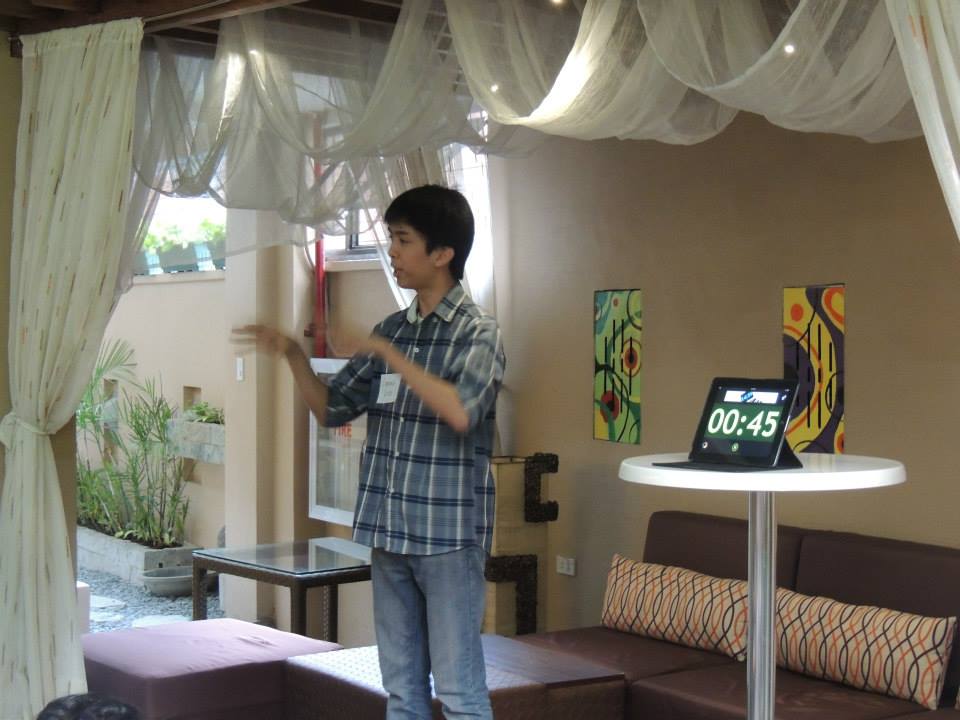
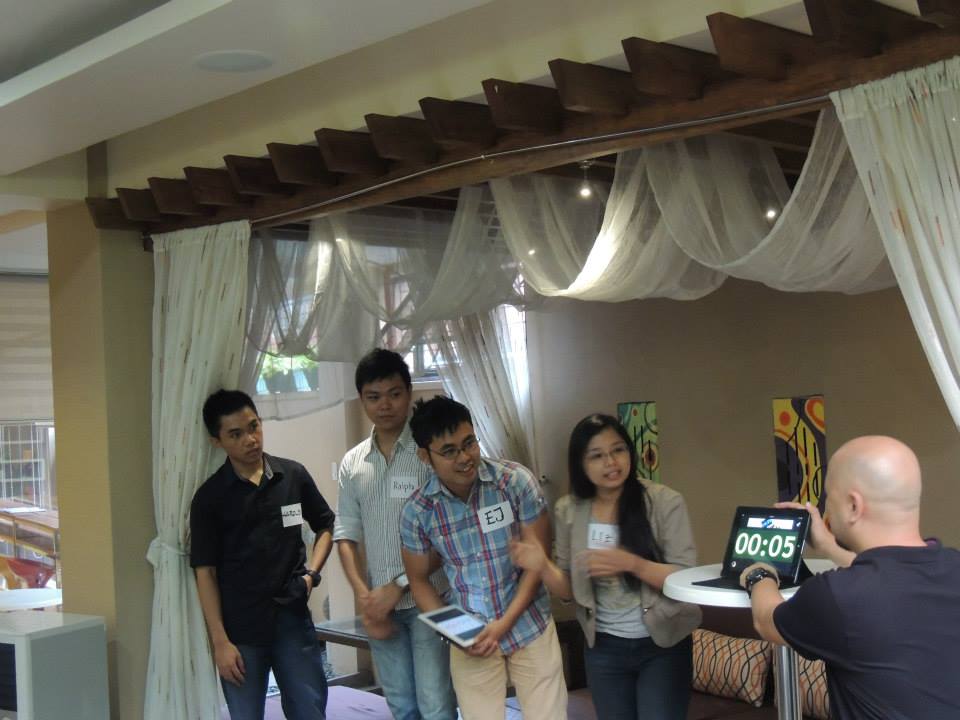
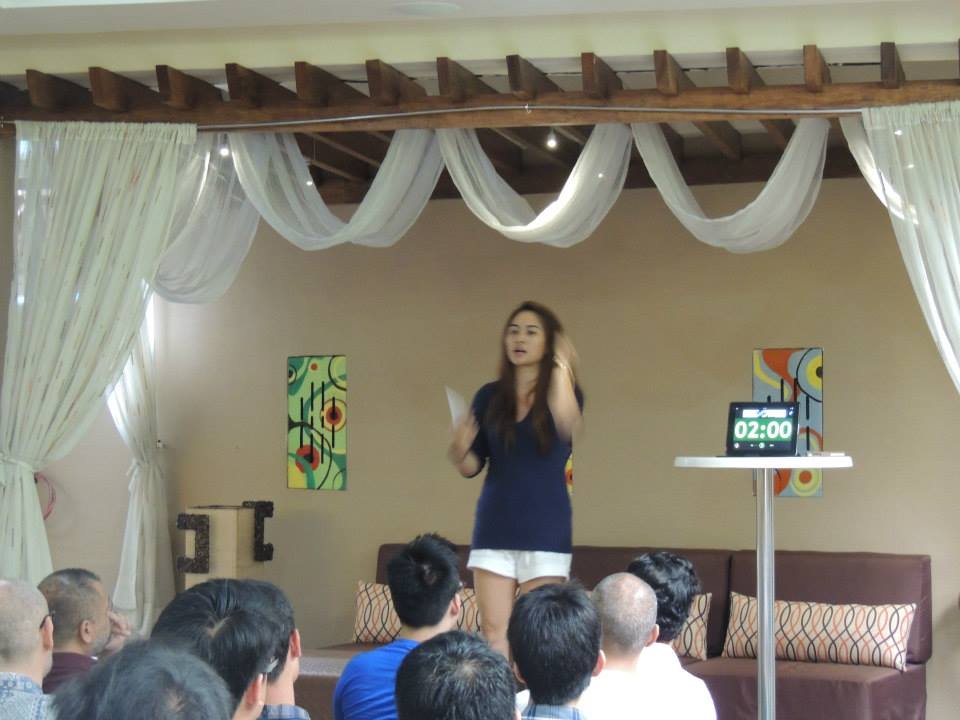
Last Saturday, Juan Great Leap and Hybridigm held Dare To Pitch at the STORM headquarters in Ortigas Center. It was a pitching forum where we invited startups to pitch to VC’s.
No winners, no prizes.
We just wanted deserving entrepreneurs to have a venue where they could pitch to institutional investors. At best, they could get funded, at worst, they WILL get valuable experience, feedback, and contacts.
The event was actually a non-public post-event, where ready attendees of the pitching seminar Pitchcraft could volunteer to do an ACTUAL pitch. There were a few audience slots which we opened up to the JGL subscriber base (there are benefits of becoming a subscriber!), which were gobbled up quickly.
We then invited veteran VC’s Dan Pagulayan, Managing Director of Angeon Advisors, and Nix Nolledo, renowned local tech investor, to hear the pitches and give feedback.
I thought there were generally awesome ideas behind each pitch – most pitches endeavored to solve real problems. VC Dan Pagulayan told me he’d want to further talk to 8 out of the 10 pitches presented, and that he’s really excited with the number of quality pitches presented.
Just some further observations on the event:
1) Value in witnessing pitches
As a very opinionated person, it was tough for me to JUST listen to the proceedings, but I gotta say, I learned a whole lot. Each pitch was basically an attempt to solve a specific problem in a specific area in our world: from OPM, recruitment, turbine engines, to geek couture, it was a thrill for me not only to learn about these different pockets from the pitchers, but also listening in on what the VC panel had to say. Horizon-stretching.
2) We need to practice with the time limit
7 out of the 10 people who pitched had to be cut off at the 5 minute mark. This for me indicates some lack of practice time. Pitchers have to maximize their airtime. In particular, what usually was part of what is cut is the ACTUAL money pitch: how much the startup needs, where it will go, and what’s in it for the investor. (I think these have to be conveyed quickly at the start)
3) Underlining go-to market strategy
Only a couple of pitches actually explained EXACTLY how the money they were trying to raise would be used in penetrating the market. I’ve seen this in particular with very technical founders who dive into the product, and sometimes miss pointing out how the startup would begin making money, and it intends to scale. For any investor, this is probably THE most crucial part – how exactly is this person going to make my money back?
4) Younger people are getting in on it
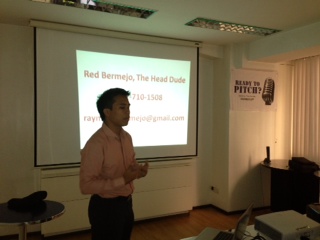
Current Ateneo student Red Bermejo pitching
I’ve seen this trend in our JGL open coffee sessions (do sign up now!), where more and more students pitch and participate. 3 of the 10 pitches were given by current students. I think this is an awesome, awesome development, and I hope it continues to trend up.
Record number for June! We can’t fit the pictures anymore!
As usual, everyone had a grand time in the June edition of JGL’s Open Coffee series held at the beautiful 47 East compound last Saturday.
It was a good mix of seasoned startup guys (like Joey Gurango, Ari Bancale, Jojy Azurin, Glenn Santos, David Elefant, Jason De la Rosa, Robert Bernabe, Roxanne Aquino, and so many others), newly-minted startup guys, and newbies.
As per Open Coffee tradition, 199jobs.com’s main man Glenn Santos starts things off with some startup news:
The first pitch is always kind of crucial. There’s usually a bit of hesitation as to who wants to go first.
Not in the June edition though!
Rick Sindiong quickly steps to the plate and gets the ball rollingDigital media publisher and freelancing advocate Arianne ChantelleJGL mainstay Alex Calero pitches
An evident trend I really like is the increase of the number of students. In fact, a college freshman, Kenley went up to pitch a cool university-based idea.
ADMU Freshman Kenley TanDLSU student Charles UyBlue Consulting’s Byron Raymundo and Karen Medriano
The pitches veered a bit more tech this time. With dashes of finance, retail, and social enterprise ideas/problems thrown into the mix. (Again, I’m amazed at how much information and help is exchanged in these forums.) The variety of ideas was just amazing. We had people pitching procurement e-commerce sites, angel “brokers” asking if anyone wanted 15 million in funding, asking for co-founders in the development of an IT firm targeting rural banks, asking for help for an entry for a US video production contest, a Japanese food retail play, a unique take combining crowdfunding and CSR, Joey Gurango pitching for more startups to join PSIA’s Launchpad program, and so, so much more.
Joey G. pitching PSIA’s awesome Spring.ph program for entrepreneursDino Alcoseba pitching the idea behind sportscout.ph
While this time, we had no moments of spontaneous beatboxing or singing, I think the pitch of the day came from Myles Jamito, who got the crowd’s imagination buzzing with samples of 3-D printed items.
Myles Jamito inciting a host of 3-D printing ideas from the audience
I CANNOT wait for the July edition!
More pics…
Randy Tan of Lookingfour does a pitchDLSU professor and entrepreneur Ren de los santos pitchesTim Mislos pitching!47 East’s Zar Castro gets the last say!
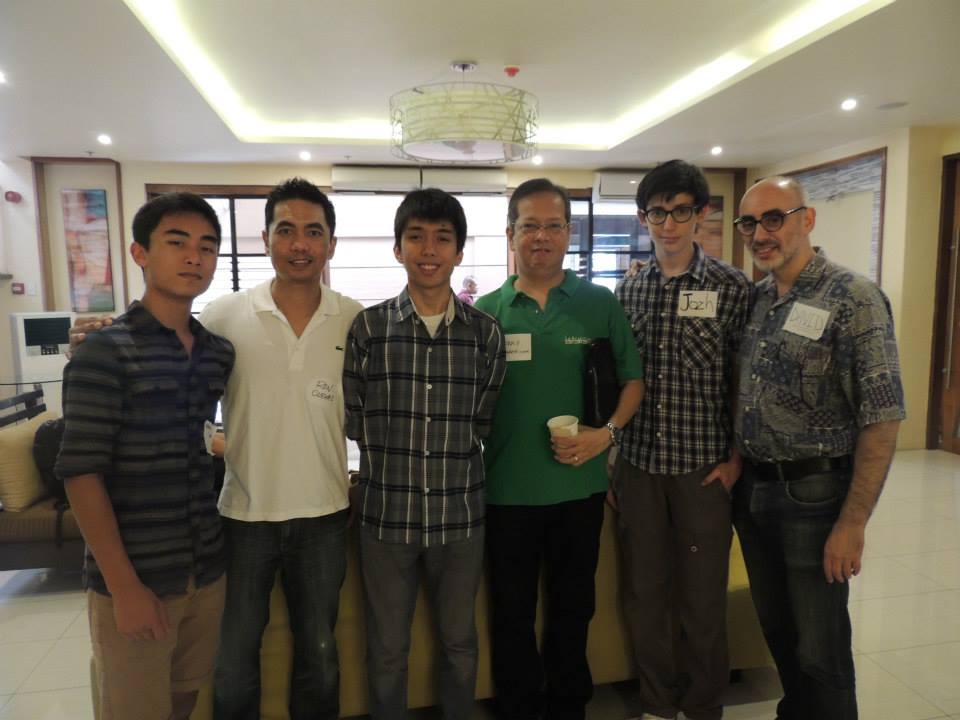
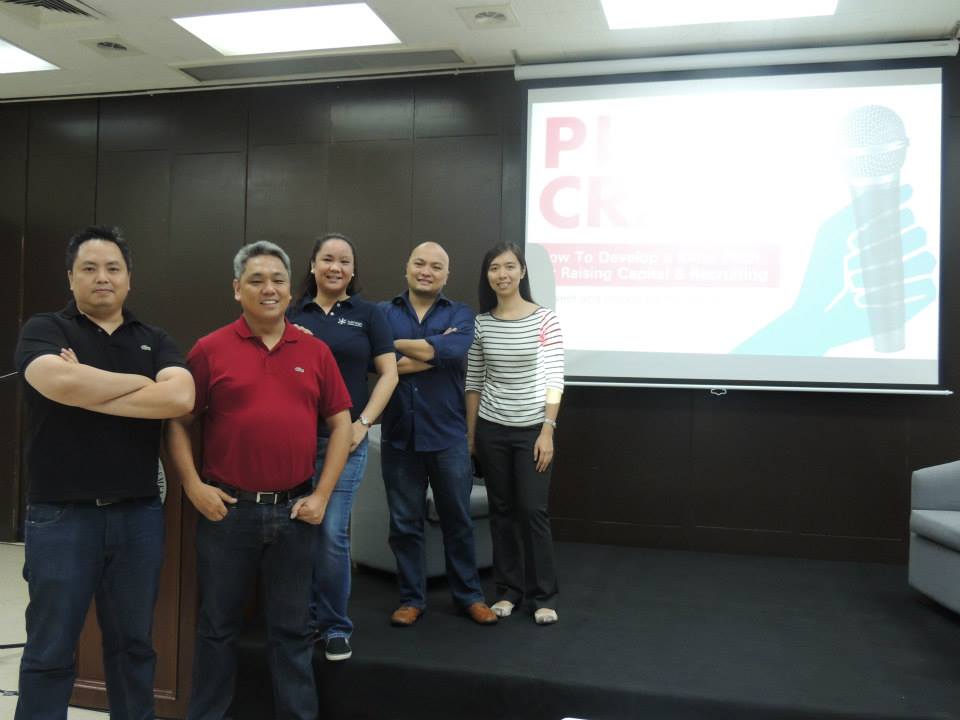
(from L-R) David Cruz, Richard Cruz, Maoi Arroyo, Me, and Karen Hipol
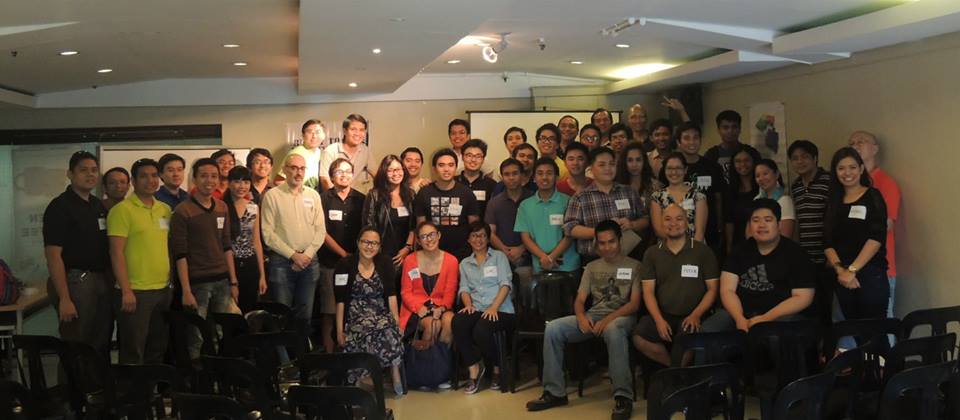
I had a great time at the Pitchcraft Event last Saturday at AIM. With nearly 70 people, there was a lot of energy in the air. Most importantly, I saw there was a lot of learning happening.
Just a quick summary of what happened, for those of you who missed it:
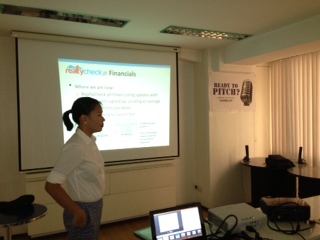
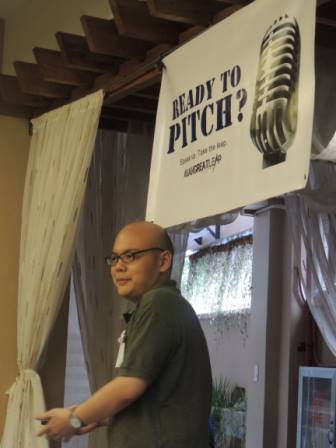
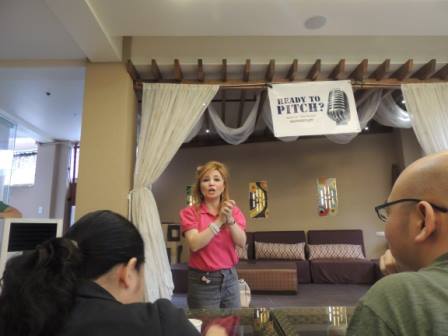
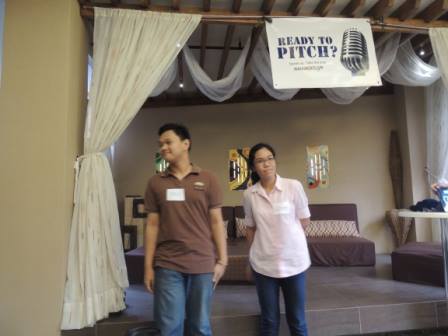
First, Karen Hipol of Carillion Partners (yup, she of the $100 million fund) came in to give the first talk: WHAT should the pitch contain. Then, Maoi Arroyo of Hybridigm delivers the second talk: HOW the pitch should be given. After a short break, the panel/simulation activity began. First a panel of experts are introduced: technology serial entrepreneur David Cruz, AIM professor and entrepreneurship expert Richard Cruz (not related to David), and Karen Hipol. The panel and the audience are then shown 5 selected pitch videos from Shark Tank. Both the audience and the panel are given a chance to chime in after each video. Finally, the audience is asked whether they would want a chance to do REAL pitches to a select group of investors in a post-event happening in 2 weeks. (14 volunteered)
Here are some of my observations and musings, post-event.
A) Entrepreneurs are willing to pay for LIVE!
This was the first Juan Great Leap PAID event, so I was paying a lot of attention as what would happen. Scores of people would attend our free events, so I was wondering what would happen if we attached a price tag.
I asked this precise question (would you pay P1000 for a startup course) to our JGL newsletter recipients (thank you for ALL the respondents!), and while the majority said yes, there a number of people who said entrepreneurial people (the target market) would find a ton FREE content on the web and will not pay. I found this to be a very credible argument – so I was eager to see what would happen with our own “MVP” which Pitchcraft represented.
3 weeks of marketing yielded 70 people.
There is still a large number of people who would want to learn LIVE! from experts – even entrepreneurs. I guess there is still something with a LIVE! learning session – the learning is more palpable, you learn with a community, you can network (with both audience members and the speakers), and when the content is good – there’s just a larger chance of not only education, but inspiration (try watching a training video for more than 10 minutes – even if the speaker is really good, I doubt if you’ll get the same impact).
Same reason as to why we still go to concerts even we could just download past ones.
I’m pretty happy with this development – not because I will be able to earn from it (I don’t earn anything from JGL activities), but because we can give you BETTER events and even more value-adding activities down the line.
B) Paid Tickets Magically Make Flakers Disappear
Yes, the last 2 JGL big conferences attracted around 200 people, but also had around 400+ signups. No matter how much I begged for people NOT to flake because the tickets are finite (someone will LOSE a slot if you flake), we still encountered a bunch of them. Our monthly open coffee attracts 60-70 people with around a 50% flaker rate as well.
Flaker rate in Pitchcraft? ZERO.
It’s a pretty predictable stat, but still, this makes me think.
I’ve always vowed to make what we do here free and as reachable to EVERYONE as possible. But this flaker thing is making me think. Open Coffee, because of what it stands for, will ALWAYS be free. But now I’m thinking the big conferences might actually benefit from say, a very reasonable P300 fee. (Tell me what you think!)
3. The Community Thing Is Just Awesome
It’s sappy, but it really warmed my heart to see so many JGL “regulars” learning at the event. I mean, for a number of these guys, I KNOW their stories, and where they are, and what some of their struggles are, and I just KNEW they got a lot of value.
Jode, Ricci, Tet, Mano, Burns, Luis, AJ, Alex, Romylee, Randy, Albert, Rona, Kath, Grace, John, and all the others whose names I have forgotten (because I am simply the worst “HR” person alive as far as name-face association is concerned) – thank you for supporting not only the event but JGL as a whole. I pray that we may always deliver what you guys NEED to take your ideas/startups to the next level.
4. Maoi is the REAL DEAL
Quick, think of the best stand-up comedian you know.
Now, think of the best teacher you’ve ever learned from.
Now proceed to COMBINE these.
THAT is the Maoi Arroyo experience. In a delectable mix of irreverence, wit, timing, experience, entrepreneurial knowledge and wisdom, she gave such a memorable talk that must have been exhausting to deliver (thank you, Maoi). You HAD to be there. (you can ask ANYONE who attended how this went)
(If you have a biotech/natural science-related idea and you need someone to help you get to the next level, do reach out to Maoi NOWand get Hybridigm to help!)





















 JUAN GREAT LEAP